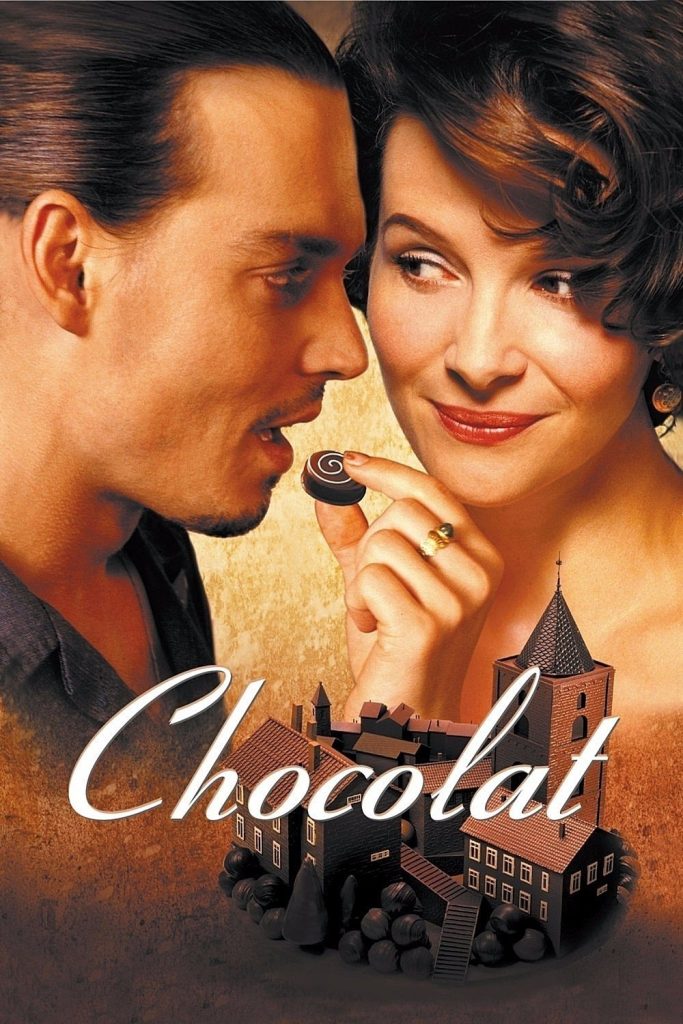
Chocolat
One taste is all it takes.
Chocolat is still a remarkably meaningful and stylish film 25 years after its release. Set in a small fictious French village in 1959, the story follows Vianne (Juliette Binoche), and her young daughter Anouk as the two wander from town to town driven on by a family tradition of restlessness.
When Vianne and Anouk settle in a rigid Catholic community, the theocracy tries to drive them out. The mayor of the town (Alfred Molina) and the new parish priest, whose sermons are micromanaged by the mayor, fear that their differences – and selling dark chocolates – will disrupt the towns strictly kept moral order.
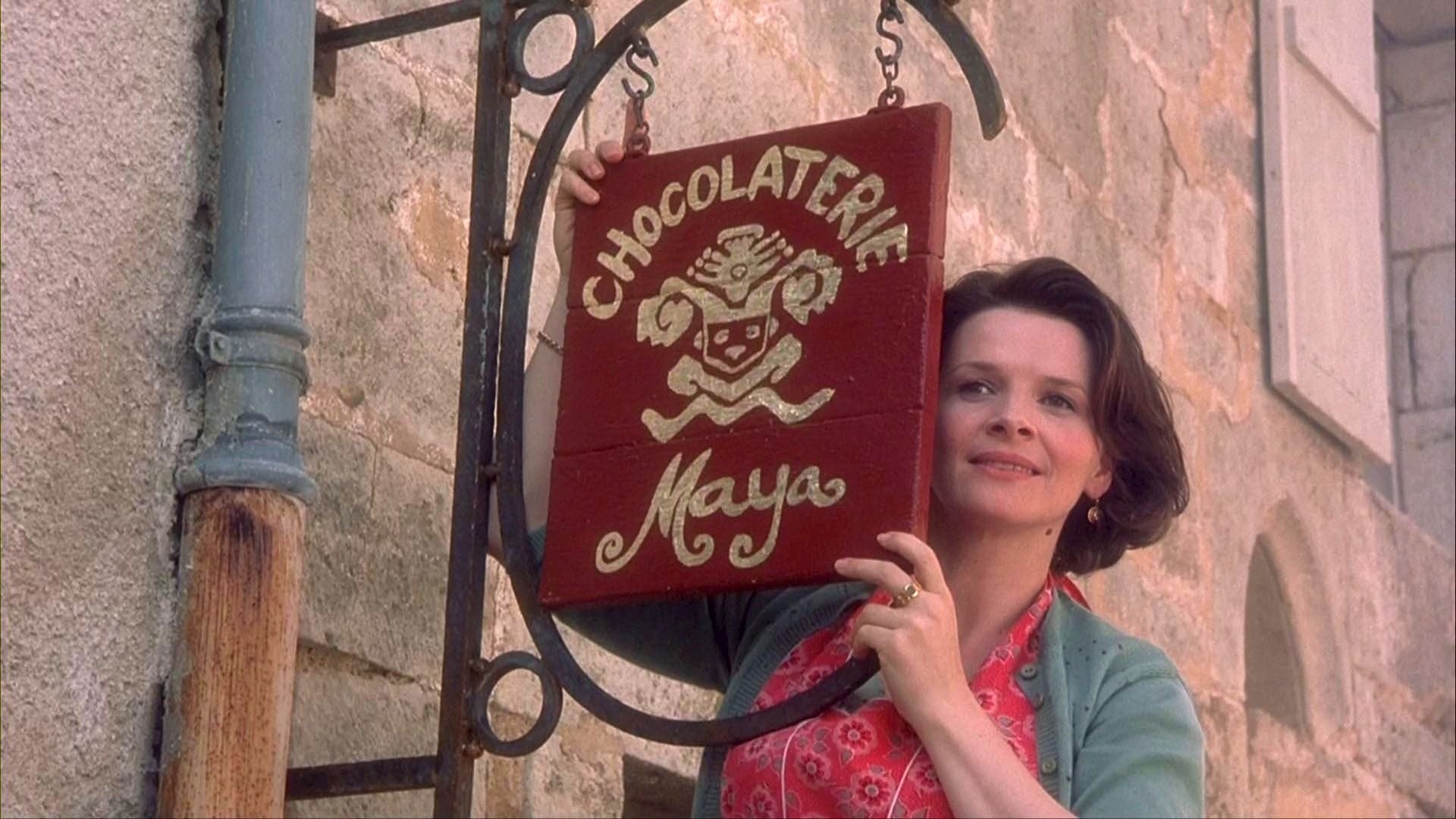
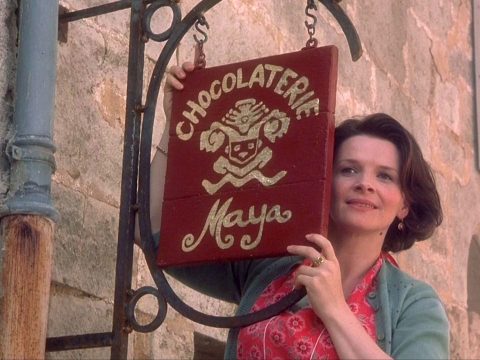
Juliette Binoche arrives. © 2000 Miramax − All right reserved.
But slowly, Vianne’s chocolates and her kindness start to melt everyone’s defenses. Vianne’s confections become catalysts for personal awakening, revealing hidden desires, mending strained relationships, and challenging long‑held prejudices. The suspicion gradually transforms into curiosity, connection, and eventual acceptance.
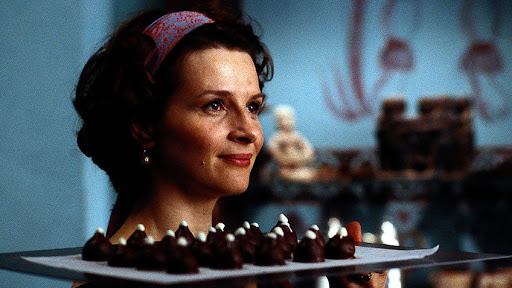
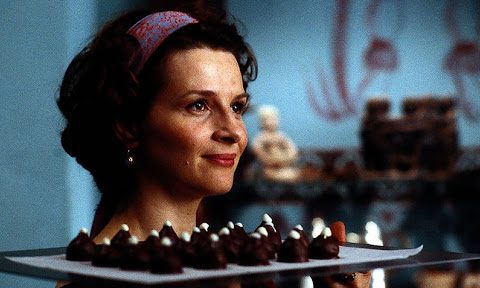
Juliette Binoche as Vianne Rocher
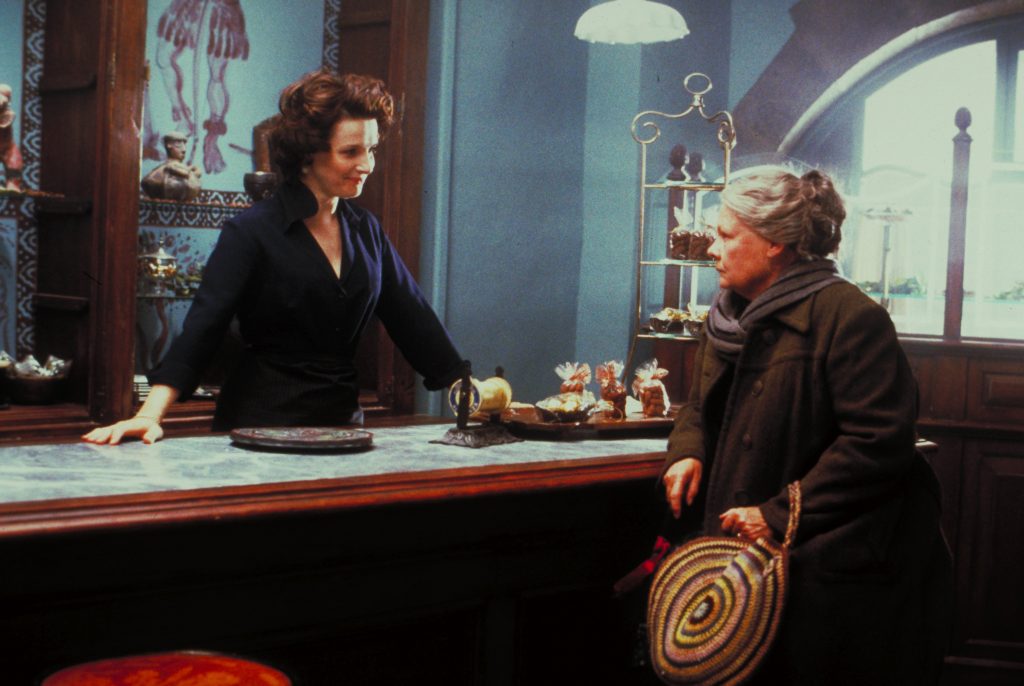
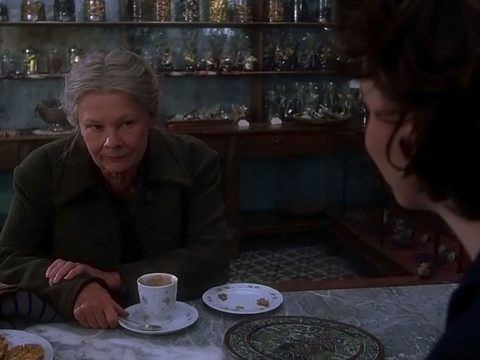
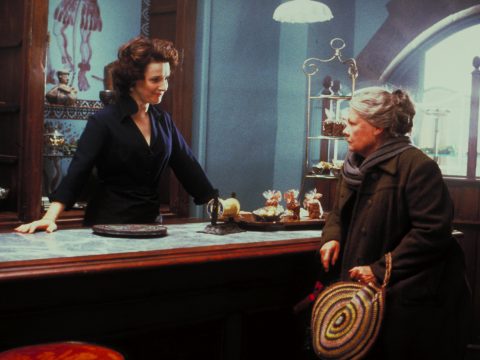
Judi Dench’s character’s life is changed with chocolate.
Stylistically, Chocolat blends romance, mysticism and whimsey, at a slow comfortable pace that makes the small village seem enchanted. Juliette Binoche brings such warmth to the role that you genuinely believe her chocolates could solve the world’s problems.
Chocolat endures because it reminds us—softly & sweetly—that kindness and warmth (love) have the power to transform even the most hardened and hateful communities or political parties.
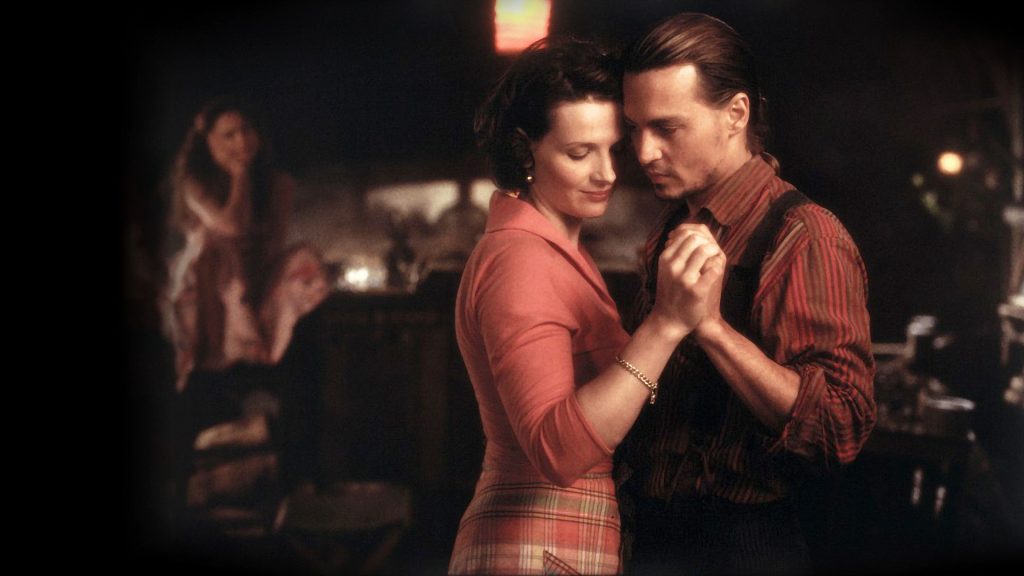
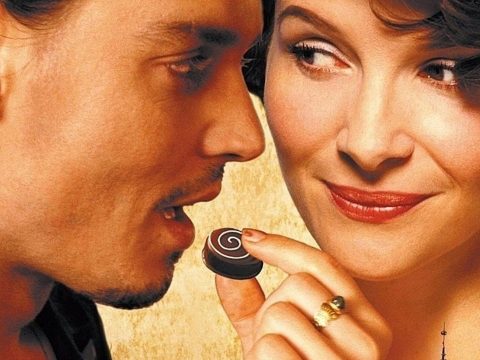
Juliette Binoche and Johnny Depp, the River Pirate. © 2000 Miramax − All right reserved.
Published the day after Seattle won the Super Bowl – 2/9/2026
- Rating
Movie Details